

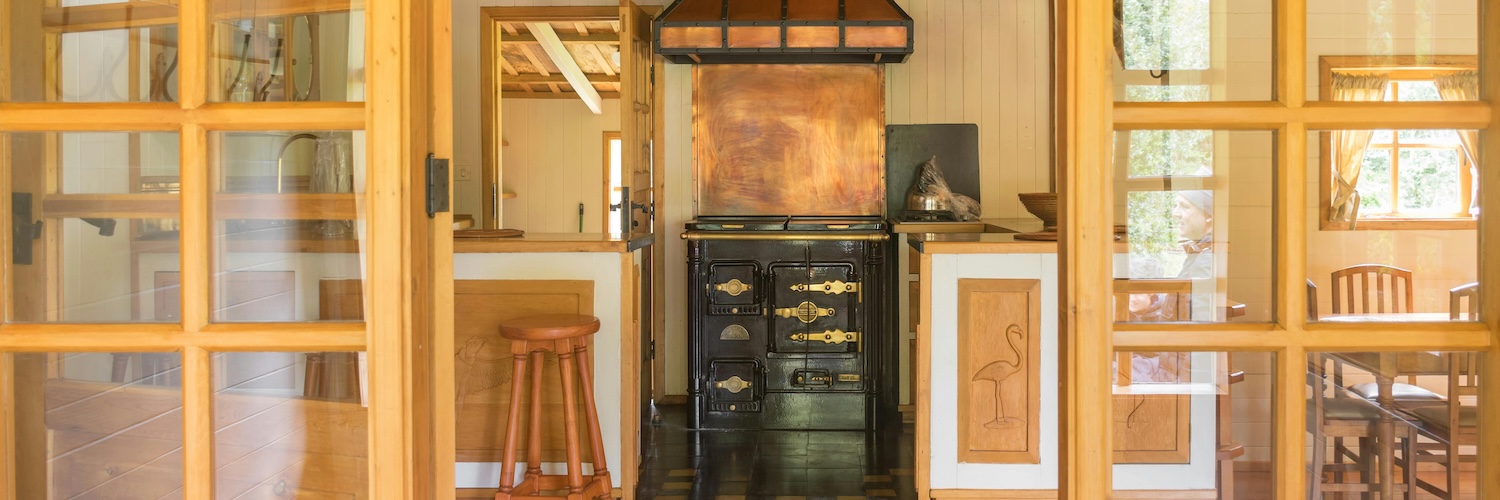
After years of cool grays, stark minimalism, and “builder white everything,” 2026 is ushering in a welcome shift: homes that feel warm, layered, and deeply personal.
Buyers are moving away from sterile perfection and toward spaces that feel lived-in, textured, and meaningful. Designers describe this evolution as a move toward interiors with heart — spaces that feel collected over time rather than styled in a single afternoon.
For homeowners preparing to renovate, build, or sell, understanding these trends can help you make design choices that feel current while supporting long-term value.
Goodbye Minimalism. Hello “Dressed” Interiors.
The ultra-minimal aesthetic is fading in favor of richer, more expressive spaces. In 2026, design is less about restraint and more about intention — layering texture, materials, and personal details to create warmth and depth.
Think:
- Layered textiles
- Collected décor
- Meaningful materials
- Rooms that feel finished rather than sparse
Buyers want homes that feel welcoming the moment they walk in.
Natural Materials Take Center Stage
One of the defining themes of 2026 design is authenticity — materials that feel organic, tactile, and timeless.
Materials gaining momentum:
- Limewash and clay plaster walls
- White oak and darker wood tones
- Natural stone with dramatic veining
- Handmade tile and artisanal finishes
Textured surfaces and natural finishes are replacing smooth, perfect ones, adding depth and helping spaces age gracefully. Why buyers love it: these materials feel warm, durable, and timeless rather than trendy.
Earthy Colors & Green as the New Neutral
Cool grays are officially taking a back seat. In their place: warm, grounded tones that create comfort and connection.
Trending palettes include:
- Moss, olive, and deep forest green
- Clay, terracotta, and rust
- Chocolate browns and caramel tones
- Muted ochre and warm yellows
Green, in particular, is emerging as a defining neutral — anchoring kitchens, cabinetry, and living spaces. Designers are also embracing richer earthy palettes that balance calm with vibrancy, reinforcing the connection to nature. These tones pair beautifully with Charleston architecture and natural light.
The Rise of “Modern Heritage” Style
Perhaps the most influential design movement of 2026 is Modern Heritage — a blend of historic character and modern livability.
This look celebrates:
- Classic millwork and architectural detail
- Vintage or reclaimed elements
- Rich wood tones and craftsmanship
- Modern lighting and clean-lined furnishings
The result is a home that feels rooted, authentic, and current — not like a replica of the past.
Curves, Soft Shapes & Playful Forms
Hard edges are softening across architecture and furnishings.
Expect to see:
- Curved sofas and rounded chairs
- Arched doorways and niches
- Sculptural lighting and millwork
- Organic, flowing furniture shapes
Curved silhouettes create visual softness and encourage a more relaxed, livable environment. This shift pairs beautifully with historic homes and adds warmth to new builds.
Texture is the New Luxury
In 2026, luxury isn’t about gloss — it’s about texture. Designers are layering materials like wool, bouclé, jute, plaster, and natural fibers to create sensory depth and comfort. Texture adds visual interest without clutter — and makes spaces feel cozy and intentional.
Sustainability & Craftsmanship Matter More Than Ever
Homeowners are prioritizing:
- Natural and renewable materials
- Locally crafted or artisanal elements
- Materials that age gracefully
- Timeless design over disposable trends
This reflects a broader desire for homes that feel meaningful, durable, and environmentally responsible.

