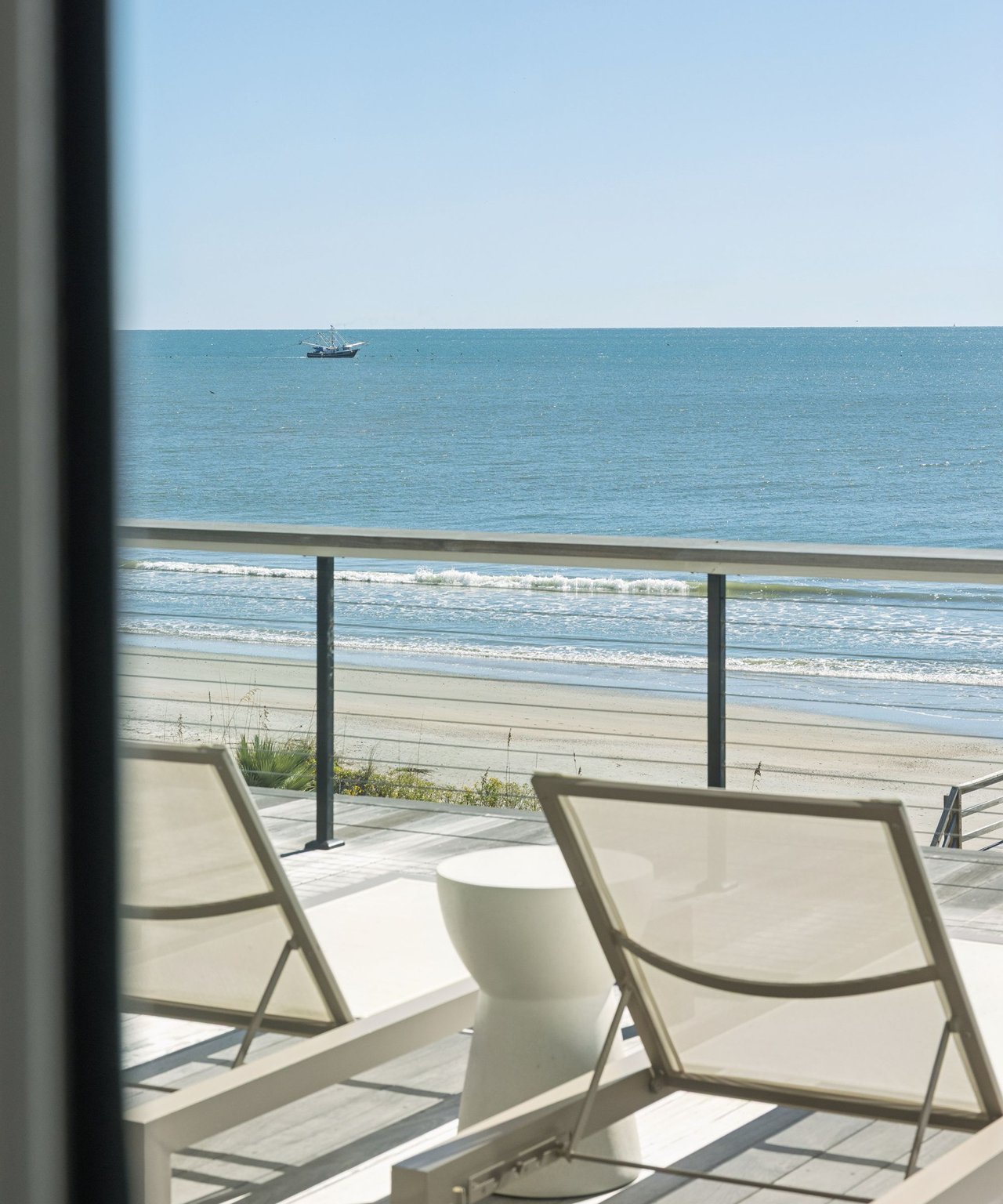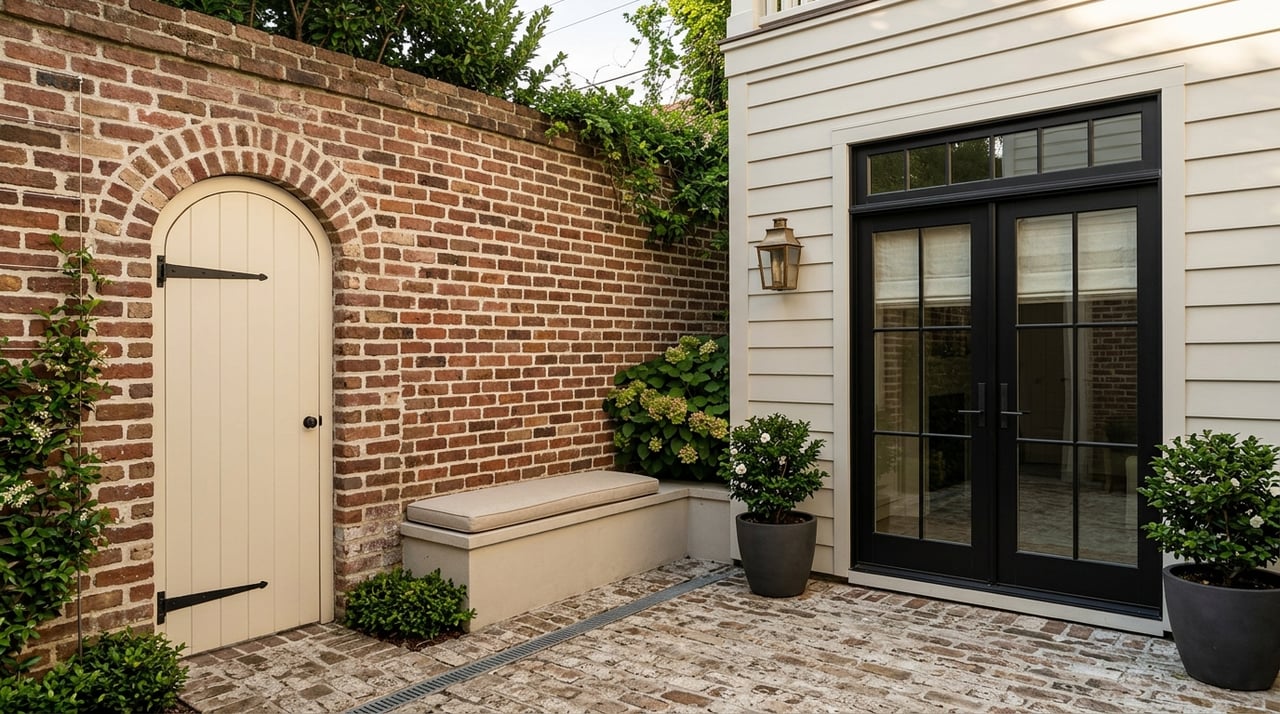
If you are torn between the charm of an older Charleston home and the ease of newer construction, the Upper Peninsula is one of the few places where you can truly compare both. This part of 29403 blends long-established architectural forms with more recent housing shaped by changing city planning, flood standards, and urban growth. If you are trying to decide what fits your lifestyle, renovation goals, and comfort level, this guide will help you weigh the tradeoffs clearly. Let’s dive in.
Why the Upper Peninsula feels different
The Upper Peninsula has a mixed housing story by design and by history. The City of Charleston describes the area as one that has shifted from industrial and commercial roots toward modern workplaces, retail, restaurants, and denser housing.
That evolution helps explain why you can find both older homes with classic Charleston forms and newer residential projects in the same broader area. The city’s historic survey documented 2,042 historic architectural resources in the Upper Peninsula survey area, which shows just how much older building stock still shapes the character of this part of town.
The current Peninsula Plan also keeps the Upper Peninsula and Neck in focus for issues like housing, flooding, transportation, mobility, and public space. For you as a buyer, that means the choice between new and historic is not only about style. It is also about how the property fits into a part of Charleston that is still evolving.
What newer homes often offer
Newer homes in the Upper Peninsula are often influenced by today’s zoning priorities and site planning standards. The city’s Upper Peninsula Zoning District is incentive-based and rewards projects that provide community benefits such as workforce housing, open space, renewable energy, EV charging, transportation improvements, stormwater management, green infrastructure, and building-certification programs.
In practical terms, many newer homes may feel more aligned with contemporary design goals than with historic lot patterns. That does not mean every newer property will look or live the same way, but it does suggest a different planning framework than what shaped much of older Charleston.
Another major advantage is flood-related construction standards. In the Special Flood Hazard Area, the city requires new residential and non-residential construction to be designed 2 feet above Base Flood Elevation, and it enforces Coastal A Zone requirements for new construction and substantial improvements.
If flood resilience is high on your priority list, that matters. While every property still needs address-specific review, newer construction may offer more peace of mind for buyers who want current standards built into the home from the start.
Benefits that may matter most
If you are leaning toward a newer home, these are often the biggest draws:
- More contemporary layouts
- Design shaped by current zoning and density goals
- Construction that follows current flood-design rules
- Potential alignment with newer stormwater and sustainability priorities
For many buyers, especially those relocating to Charleston, that combination can feel simpler and more predictable.
What historic homes often offer
Older homes on the Upper Peninsula tend to appeal for a very different reason. They often deliver the architectural character that makes Charleston feel unmistakably like Charleston.
One of the best-known forms is the Charleston single house. This design is typically one room wide, arranged with two main rooms flanking a central stair hall, and placed on a long, narrow lot. The piazza is usually on the south side, where it helps block direct sun and improve ventilation.
That design is not just beautiful. It reflects a practical response to Charleston’s climate, using orientation and outdoor living space to channel breezes and reduce solar load.
You may also find Charleston single-cottage forms in parts of the peninsula. These are smaller and simpler, often with street-facing gables and side piazzas on deep, narrow lots.
The result is a housing style that can feel efficient, layered, and full of personality. Outdoor space in older homes is often concentrated in side piazzas, rear yards, or dependency spaces rather than broad front or side lawns.
Historic-home character at a glance
Buyers often choose older Upper Peninsula homes for features like:
- Classic Charleston architecture
- Side piazzas and courtyard-style outdoor living
- A strong sense of place
- Details tied to the city’s historic development patterns
If you value design character and a more rooted feel, an older home may be the better emotional fit.
The biggest practical tradeoffs
Choosing between new and historic in 29403 usually comes down to a few practical questions. These often matter just as much as square footage or finishes.
Parking can look very different
Parking is a major factor in this part of Charleston. The city created residential parking permit districts to help protect residents from nonresident and commercial parking pressures, and the system now covers much of downtown while issuing more than 8,000 permits annually.
Each residential unit in a parking district can receive a maximum of two permits. City meters are active Monday through Saturday from 9 a.m. to 6 p.m.
Because many older Charleston homes sit on narrow urban lots, off-street parking may be tighter on some historic properties. That is not a rule for every home, but it is something you will want to verify early.
Renovation rules may be more involved
If you are considering an older property, approval requirements matter. Within historic districts, the Board of Architectural Review reviews new construction, alterations, and renovations that are visible from the public right-of-way.
The city also reviews demolitions of buildings 50 years old or older south of Mount Pleasant Street, as well as any demolition in the Old and Historic District. The BAR guidelines cover rehabilitation, renovation, and new construction, and they rely on the Secretary of the Interior’s Standards for the Treatment of Historic Properties.
Outside the city’s historic districts, the Design Review Board handles design and alteration review for applicable properties. For you, that means future plans such as exterior changes, additions, or visible upgrades may require a different review path depending on the home’s location.
Maintenance expectations can differ
Historic homes often come with more specialized upkeep. That does not make them a poor choice, but it does mean you should go in with clear expectations.
Newer homes may offer a more straightforward maintenance profile in the near term. Older homes may ask more of you in exchange for their character, materials, and architectural detail.
How to decide what fits you best
The right answer depends less on whether one category is better and more on how you want to live. In the Upper Peninsula, your best fit usually comes down to priorities.
A historic home may fit if you value character
A historic or vintage home may be right for you if you want:
- Architectural detail and original form
- Piazzas, courtyards, or classic outdoor living patterns
- A more layered sense of place
- A home you are comfortable maintaining within preservation guidelines
If the feel of the property matters as much as the function, older homes often stand out.
A newer home may fit if you value ease
A newer home may be a better match if you want:
- A more current layout
- Construction designed to meet current flood rules
- A property shaped by today’s zoning and site-design framework
- Fewer unknowns around early maintenance and systems
This can be especially appealing if you are relocating and want a smoother start in an unfamiliar market.
Smart due diligence before you buy
No matter which direction you are leaning, the best decision is a well-researched one. In the Upper Peninsula, a few checks can tell you a lot about how a home will live now and what it may require later.
Questions worth asking early
Before you move forward, make sure you know:
- Is the home in BAR or DRB review territory?
- Is it in a flood zone or Coastal A Zone?
- Does it have legal off-street parking?
- Will you rely on a residential parking district?
- If you renovate later, what exterior changes will require review?
These are not minor details in Charleston. They directly affect your costs, convenience, and flexibility.
Why local guidance matters here
On the Upper Peninsula, broad real estate advice only gets you so far. Two homes with similar price points can come with very different review requirements, parking realities, lot patterns, and flood considerations.
That is why neighborhood-specific guidance matters. You want to compare not just finishes and floor plans, but also how each home functions within Charleston’s local rules and historic context.
If you are weighing newer construction against a historic property in 29403, Smith Spencer Real Estate can help you sort through the tradeoffs with clear, local guidance tailored to your goals.
FAQs
What is the main difference between new and historic homes on Charleston’s Upper Peninsula?
- Newer homes often align more closely with current zoning, site design, and flood-construction standards, while historic homes often offer more architectural character, classic Charleston forms, and a stronger connection to the area’s older development patterns.
What should buyers check about parking in Charleston 29403?
- You should confirm whether the home has legal off-street parking or depends on a residential parking district, since many properties in this part of Charleston sit on narrower urban lots and parking conditions can vary significantly by address.
What review rules apply to historic homes in Charleston’s Upper Peninsula?
- Depending on the property location, exterior alterations, renovations, new construction, or demolition may be reviewed by the Board of Architectural Review or the Design Review Board, so it is important to identify the correct review authority before you buy.
Are newer homes in Charleston’s Upper Peninsula built to different flood standards?
- Yes. The city requires new construction in the Special Flood Hazard Area to be designed 2 feet above Base Flood Elevation, and it enforces Coastal A Zone requirements for new construction and substantial improvements.
Who is a historic home best suited for in Charleston 29403?
- A historic home is often a strong fit if you value architectural character, piazzas or courtyard-style outdoor space, and a more layered sense of place, and if you are comfortable with preservation review and more specialized maintenance.
Who is a newer home best suited for on Charleston’s Upper Peninsula?
- A newer home is often a better fit if you want a more contemporary layout, construction that follows current flood rules, and a property that may feel more aligned with today’s planning and design framework.