Dreaming about a second home on the coast is easy. Choosing the right coastal community is the hard part. If you are considering Seabrook Island, you likely want more than a pretty beach address. You want to know how it actually feels to own there, what the commitment looks like, and whether the lifestyle matches the way you plan to use the home. Let’s dive in.
What Seabrook Island Offers
Seabrook Island is a private, gated oceanfront community about 23 miles southwest of Charleston. It is known for its mix of beaches, marshes, and maritime forest, along with an amenity package that supports a true resort-style lifestyle.
Official community materials highlight two golf courses, racquet sports, an equestrian center, a wellness center, oceanfront pools, dining, and a deep-water marina and shopping village just outside the gate. Seabrook is also recognized as an Audubon International Certified Sustainable Community, which adds to its appeal for buyers who value natural surroundings and thoughtful stewardship.
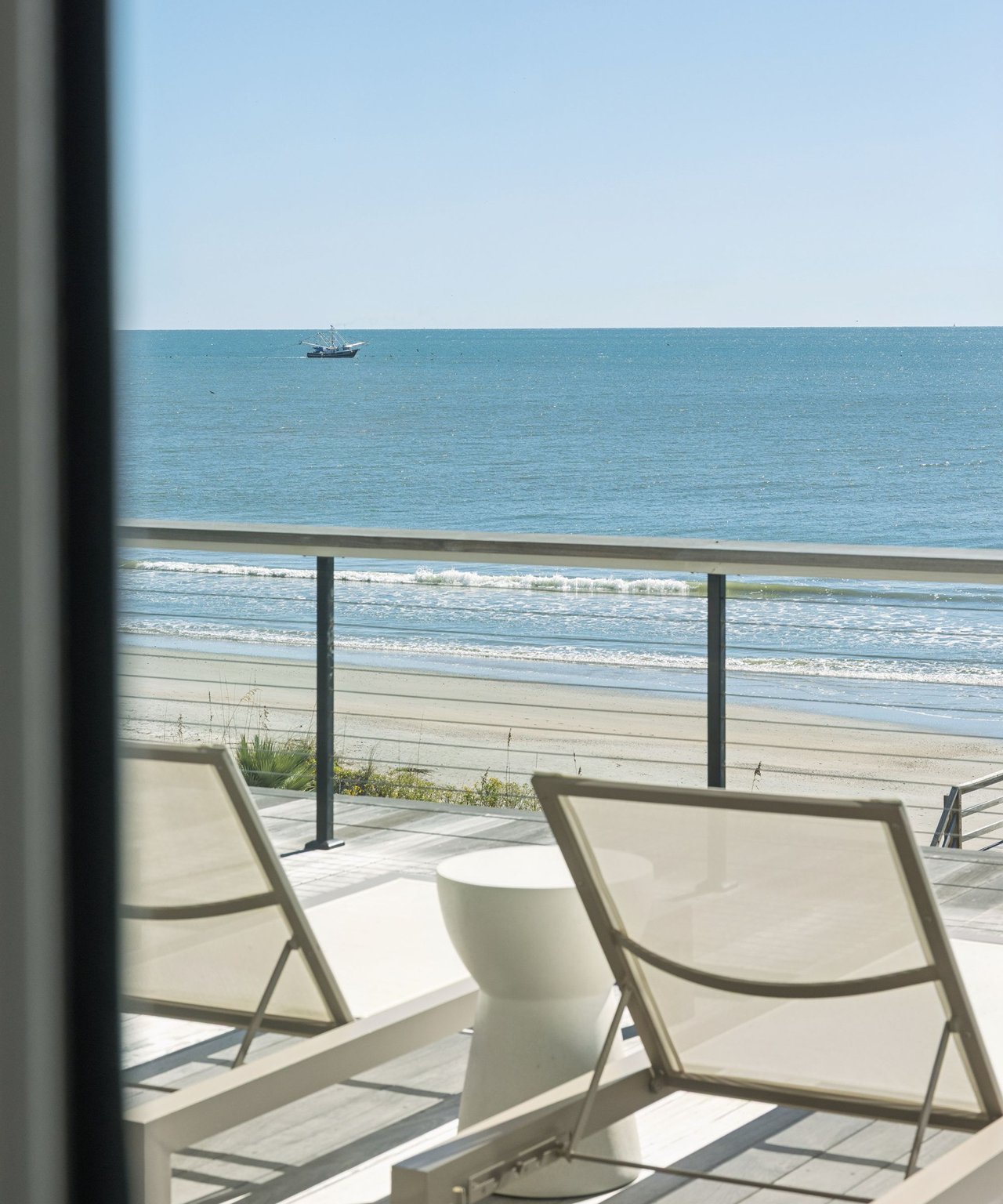
The beach experience is a major part of the draw. Seabrook has nearly four miles of shoreline and nine boardwalks, with different areas offering sunrise views, tidal pools, family swimming, and a beach club setting. If your vision of a second home includes regular beach time without the feel of a crowded public destination, that can be a meaningful advantage.
Why Second-Home Buyers Consider Seabrook
For many buyers, Seabrook stands out because it offers privacy, structure, and a defined lifestyle. This is not a beach town where you simply buy a house near the water and figure out the rest later. The community experience is built into ownership.
That can be a strong fit if you want a place that feels separate from the busier public beach scene. The gated setting, controlled access, and club-centered amenities create a more contained environment than some other Charleston-area coastal communities.
If you are buying from out of market, that structure can also make ownership feel more predictable. You know there is a homeowners association, established access procedures, and a clear framework for how residents, guests, and renters use the island.
Property Types on Seabrook Island
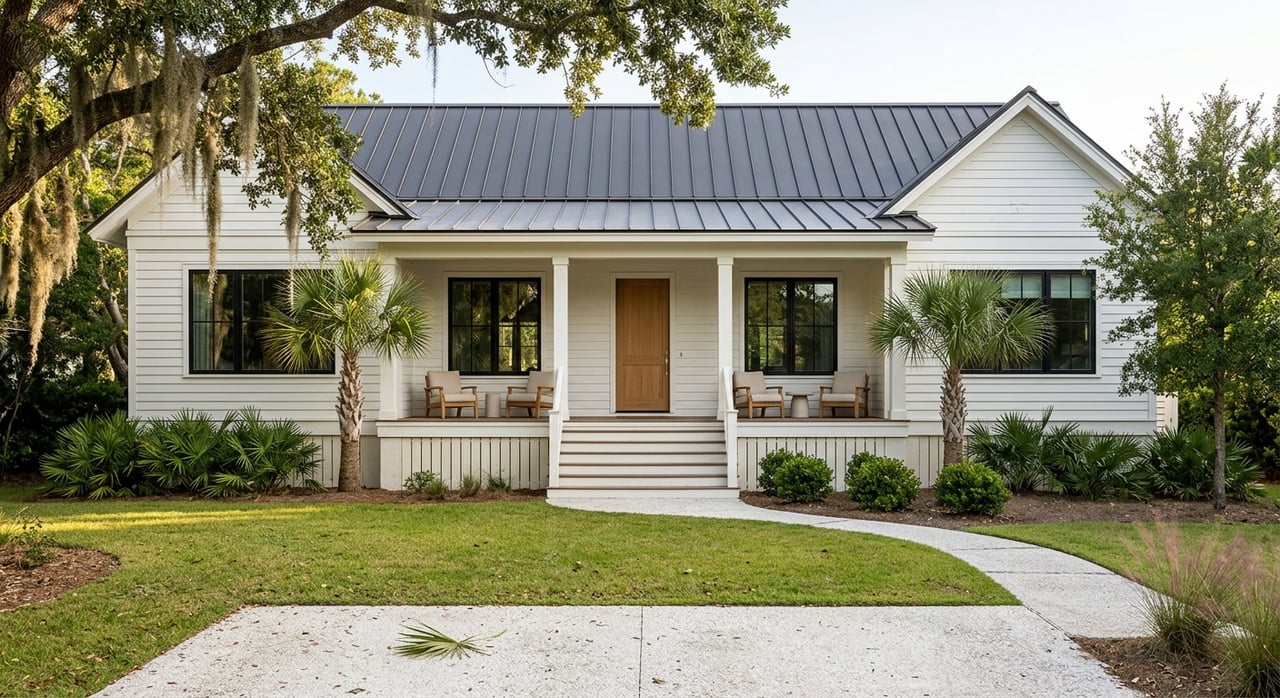
Seabrook offers a wide range of property types, including homes, townhomes, cottages, and villas. The community also includes neighborhoods with golf, water, marsh, and oceanfront views.
That variety matters if you are trying to match your purchase to your actual second-home goals. Some buyers want a larger detached property for extended family visits and long holiday stays. Others prefer an attached property that may offer a simpler ownership experience than a full single-family home.
This mix gives you room to prioritize what matters most, whether that is view, size, location within the island, or a more lock-and-leave setup. In a second-home search, that flexibility can make Seabrook appealing to a broad range of coastal buyers.
Ownership Comes With Structure
Before you buy on Seabrook Island, it is important to understand that ownership includes more than the property itself. All property owners in the Seabrook Island Development become members of SIPOA, the private nonprofit HOA that manages the gated community.
SIPOA provides two free vehicle barcodes per property, while visitor passes and rental guest passes are handled through separate systems. For some amenities, unaccompanied guests also need amenity cards. Assessments help fund island operations, reserves, drainage improvements, road repaving, and beach renourishment.
In practical terms, this means your carrying costs and ownership experience include a community framework that supports the island’s infrastructure and access controls. For many second-home owners, that supports the polished, private feel that makes Seabrook attractive in the first place.
Club Membership Is a Key Decision
Most property owners are also required to join Seabrook Island Club. This is one of the most important parts of the buying decision because it is not a casual add-on.
The Club states that memberships offered since January 1, 2005 are nonrefundable equity-fee memberships. Its application materials also note that most membership classifications must be retained for at least seven consecutive years. Membership categories include Homesite, Neighborhood, Racquet Sports, and Golf.
That long-term commitment is worth weighing carefully before you buy. If you want strong amenity access and a club-based lifestyle, this may feel like part of the value. If you want maximum flexibility and minimal ongoing administration, it may feel more restrictive.
Renting Your Second Home Is Not Automatic
If part of your second-home plan includes rental income, Seabrook deserves a close look before you make assumptions. This is not a market where you should underwrite a purchase based on short-term rentals without verifying the rules first.
The Town of Seabrook Island requires a business license for rental properties and a Short-Term Rental Permit for residential dwellings rented for fewer than 30 consecutive days. Advertisements for short-term rentals must display the permit number, and a town business license does not grant commercial access through the SIPOA gate.
SIPOA also requires rental properties to be registered before rental gate passes can be issued. As of May 20, 2026, the town reported caps on Standard STR permits. If rental income is part of your strategy, you should confirm permit availability and gate-access requirements before moving forward.
Access and Daily Life on the Island
On Seabrook, access rules are part of the lifestyle. They shape how owners, guests, and renters move through the island and use the beach.
SIPOA states there is no beach parking on Seabrook roads or in private villa parking areas. Beach access parking is designated, motorcycles and golf carts are not permitted on roads, and low-speed vehicles are permitted.
For some buyers, these rules support an orderly, private atmosphere. For others, they may feel less spontaneous than a fully public beach community. Neither is inherently better. The question is whether that style of coastal living feels right for you.
Coastal Costs to Think About
Any second home on the South Carolina coast comes with practical ownership questions beyond the sales price. On Seabrook, two of the biggest are storm planning and property taxes.
Seabrook uses Charleston County Evacuation Zone A, so hurricane preparedness is a real part of ownership. SIPOA points owners to evacuation information, and FEMA notes that flood risk can change over time. Before closing, you should verify the specific parcel’s flood zone and understand the possible insurance implications.
Property taxes also matter. Charleston County explains that primary legal residences may qualify for a 4% assessment ratio, while other real estate is generally assessed at 6%. If you are buying a second home that will not become your legal primary residence, that difference can affect your long-term ownership costs.
How Seabrook Compares Nearby
If you are deciding between Seabrook and other Charleston-area beach communities, the right choice often comes down to lifestyle fit rather than simple price comparison.
Seabrook vs. Kiawah Island
Kiawah Island is Seabrook’s closest comparison on the luxury resort side. Kiawah Resort describes ten miles of beach, while community materials note 19 miles of leisure trails, 26 boardwalks, public beach access at Beachwalker Park, and resort golf and tennis amenities.
Compared with Kiawah, Seabrook generally feels smaller and more contained. If you want a more intimate private-community setting with a club-centered feel, Seabrook may be the better match.
Seabrook vs. Isle of Palms
Isle of Palms has a more public and commercial beach-town environment. The city reports seven miles of beach, more than 50 beach access paths, a Front Beach commercial district, and a formal STR licensing and parking-permit system.
If you want a busier atmosphere with easier public access and more visible dining and retail activity, Isle of Palms may appeal more. If you prefer a more private, controlled setting, Seabrook likely stands apart.
Seabrook vs. Sullivan’s Island
Sullivan’s Island is shaped more by residential character and historic preservation than by resort amenities. The town describes 3.5 miles of Atlantic beachfront with many public access paths, along with strict beach and parking regulations.
If you are drawn to resort-style amenities and a club structure, Seabrook offers a very different ownership experience. If you want a more traditional coastal residential setting without the same amenity package, Sullivan’s Island may feel more aligned.
Seabrook vs. Folly Beach
Folly Beach is known as a more casual coastal destination and is often associated with surfing, beach culture, and a lively local feel. The city also has active short-term rental controls, including a waitlist system.
If you picture your second home in a laid-back beach town close to historic Charleston, Folly may be worth considering. If you want more privacy, more controlled access, and a less public-facing beach environment, Seabrook offers something different.
Who Seabrook Fits Best
Seabrook Island is often a strong fit for buyers who want a second home that feels private, polished, and intentionally separate from the public beach experience. It can work especially well if you value amenities, natural surroundings, and a community with clear rules and defined ownership expectations.
You may feel at home here if you are looking for:
- A gated coastal setting
- Strong beach access within a private community
- Club-based amenities and social opportunities
- A range of property types, from villas to single-family homes
- A second home that supports a quieter, more contained lifestyle
When Seabrook May Not Be the Right Fit
Not every coastal buyer wants the same thing, and that is exactly why location fit matters so much. Seabrook may be less ideal if your second-home vision depends on a more casual, public, or low-structure ownership experience.
You may want to explore other options if you prefer:
- A walkable nightlife or restaurant district
- Fewer ownership layers and administrative requirements
- More flexible amenity commitments
- Easier public beach access and less controlled circulation
- A purchase strategy that leans heavily on short-term rental assumptions
The Bottom Line for Second-Home Buyers
If you are asking whether Seabrook Island is right for your second home, the answer depends on how you want your coastal life to feel day to day. Seabrook offers a private, club-oriented setting with meaningful amenities, natural beauty, and a stronger sense of separation than many nearby beach communities.
At the same time, ownership here comes with structure. HOA membership, club requirements, access rules, storm planning, tax treatment, and short-term rental regulations all deserve careful review before you buy. When Seabrook matches your priorities, it can be a compelling place to own a second home in the Charleston area.
If you are weighing Seabrook against other Lowcountry coastal communities, a clear, local comparison can save you time and help you buy with confidence. Smith Spencer Real Estate can help you evaluate Seabrook Island in the context of your goals, lifestyle, and long-term plans.
FAQs
Is Seabrook Island a good place for a second home?
- Seabrook Island can be a strong choice if you want a private, gated beach community with club-based amenities, natural surroundings, and a more contained coastal lifestyle.
Do Seabrook Island owners have to join an HOA?
- Yes. All property owners in the Seabrook Island Development become members of SIPOA, the private nonprofit HOA for the community.
Do Seabrook Island buyers also need club membership?
- Most property owners are also required to join Seabrook Island Club, which offers several membership categories and includes long-term membership commitments.
Can you use a Seabrook Island second home as a short-term rental?
- Possibly, but you need to verify current rules first. The Town of Seabrook Island requires a business license and a Short-Term Rental Permit for rentals of fewer than 30 consecutive days, and SIPOA requires rental registration for gate passes.
Are there limits on short-term rental permits on Seabrook Island?
- Yes. As of May 20, 2026, the Town of Seabrook Island reported caps on Standard STR permits, so buyers should confirm permit availability before relying on rental income.
What kinds of homes are available on Seabrook Island?
- Seabrook Island offers homes, townhomes, cottages, and villas, with options that may include golf, water, marsh, or oceanfront views.
What should second-home buyers know about taxes on Seabrook Island?
- Charleston County states that primary legal residences may qualify for a 4% assessment ratio, while other real estate is generally assessed at 6%, which often affects second homes.
What should buyers know about flood and storm planning on Seabrook Island?
- Seabrook is in Charleston County Evacuation Zone A, and buyers should verify the property’s flood zone and insurance implications before closing.