Ever notice how one Charleston ZIP code can feel like several different worlds? In 29403, that is especially true. If you are exploring Charleston’s Upper Peninsula, this guide will help you understand how the area looks, lives, and changes from block to block so you can spot the setting that fits your lifestyle. Let’s dive in.
What defines the Upper Peninsula
Charleston describes the Upper Peninsula as the upper eastern side of the peninsula, an area shaped by a transition from industrial and commercial roots to modern workplaces, retail, restaurants, and denser housing. That mix is a big reason the area feels layered instead of uniform.
The city’s planning approach also matters here. Through the Upper Peninsula Initiative and zoning district, Charleston encourages added height and density when projects include community benefits like workforce housing, public open space, transportation improvements, stormwater management, green infrastructure, and high-performing building standards. For you, that means change in this part of town is not random. It is being guided with long-term growth in mind.
Why 29403 feels different by block
One of the most important things to know about the Upper Peninsula is that daily life can shift quickly from one street to the next. Some pockets feel more residential and rooted in older neighborhood patterns, while others are closer to active commercial corridors and newer mixed-use development.
City programs currently identify Westside, North Central, Hampton Park Terrace, and Wagener Terrace as Upper Peninsula neighborhoods. That gives you a useful clue. Rather than thinking of the area as one master-planned district, it is better to think of it as a collection of connected neighborhoods with distinct rhythms and streetscapes.
Residential pockets
If you are drawn to quieter residential blocks, neighborhoods like Wagener Terrace and Hampton Park Terrace often stand out. These areas tend to reflect stronger neighborhood identity, older homes, and a more park- or street-oriented feel.
That does not mean every home looks the same. In fact, part of the appeal is the variety. You may see different building forms, renovation stories, and architectural details within a relatively small area.
Commercial energy zones
If you want easier access to dining, evening activity, or a more urban feel, the energy tends to build near Upper King, the Spring-Cannon corridor, and WestEdge. These locations connect more directly to shops, restaurants, and mixed-use spaces.
The Spring Cannon Corridor Plan helps explain why. It specifically recommends concentrating commercial uses along Spring and Cannon Streets while improving sidewalks, crosswalks, street trees, and pedestrian connections. That planning framework supports a more active street-level experience.
The housing style you can expect
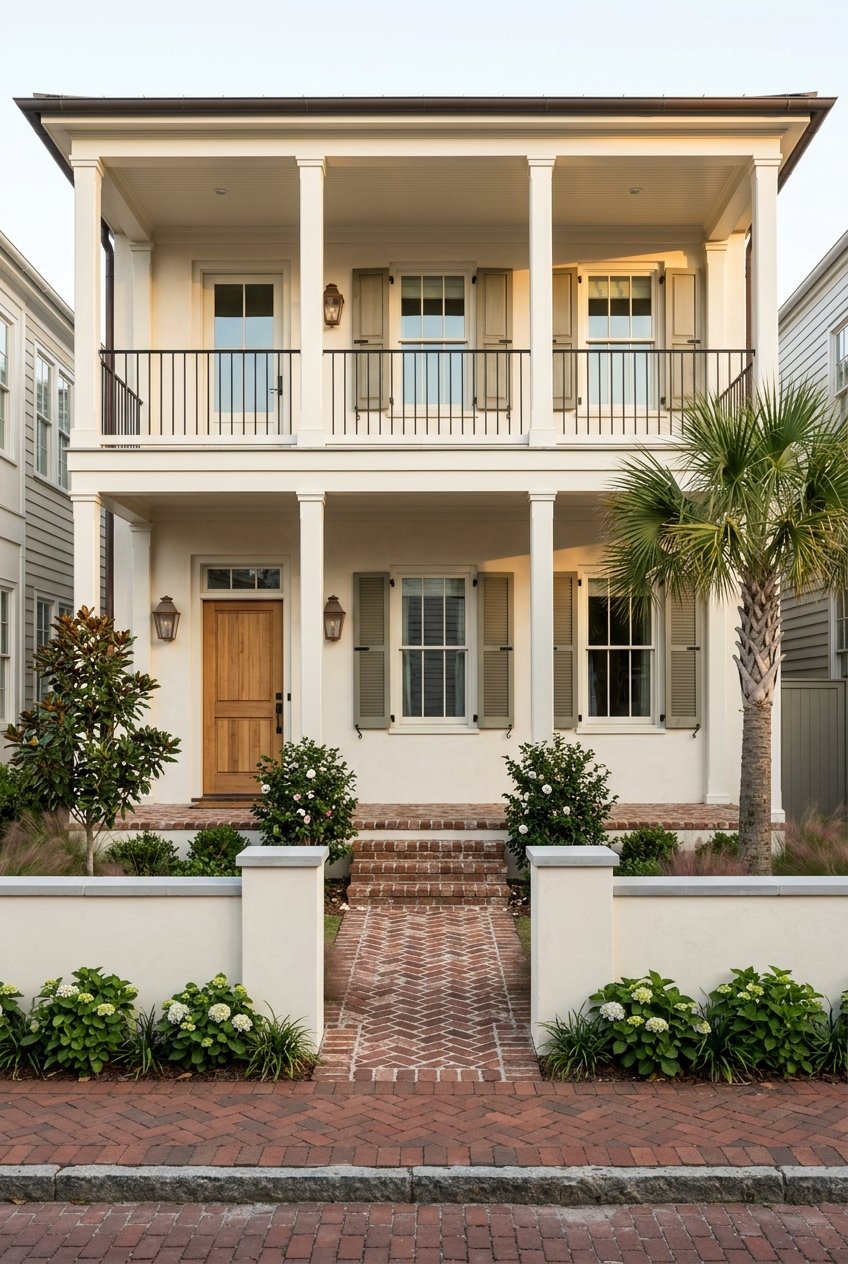
If you are hoping for one neat architectural label, the Upper Peninsula will probably surprise you. This area is better understood as a mix of older homes, preserved streetscapes, and renovation potential, rather than a place defined by one housing type.
Charleston’s preservation framework plays a major role in that character. The City of Charleston Board of Architectural Review oversees many new construction and visible exterior changes in historic districts, along with many demolition and design-review cases on the peninsula. If you buy here, that can affect how future exterior projects are reviewed.
Older homes with character
The city’s Area Character Appraisal work gives helpful insight into what you may find. In Wagener Terrace, the 2024 appraisal documents postwar Minimal Traditional houses with Colonial Revival-inspired details. That points to a neighborhood with historic texture and architectural variety, not a row of identical homes.
Hampton Park Terrace also reflects a strong sense of local identity. City materials highlight histories and eclectic interior design through neighborhood home tours. For buyers, that often translates to homes with personality, layered updates, and opportunities to tailor a property over time.
What preservation can mean for buyers
Preservation standards are part of what makes the peninsula feel visually cohesive. They can also add an extra layer of planning if you want to make visible exterior changes after closing.
That is not necessarily a drawback. It is simply something to understand early. If style, facade changes, additions, or major exterior renovations are part of your long-term plan, neighborhood-specific guidance matters.
Parks and outdoor lifestyle
For many buyers, Hampton Park is one of the biggest lifestyle anchors in this part of Charleston. It is one of the city’s largest parks and includes floral displays, trails, restrooms, on-site parking, and Walk, Run & Roll exercise closures on select days.
If you like the idea of morning walks, casual outdoor time, or living near a major green space, that park presence can shape your daily routine in a meaningful way. It also gives nearby blocks a different feel from more commercial sections of 29403.
Walking and biking access
Charleston has emphasized walking and biking across the peninsula, noting increased activity in both. The city’s bicycle and pedestrian planning focuses on making routes safer and more convenient, which supports a more connected urban lifestyle.
You also have practical options for getting around without always using a car. The peninsula has 27 Holy Spokes bike-share stations, and CARTA offers the free DASH shuttle throughout the peninsula. If completed as planned, the Lowcountry Lowline would add a 1.7-mile multi-use linear park and dedicated pedestrian and bicycle corridor along an abandoned rail route.
Dining, arts, and everyday culture
If your version of home includes coffee runs, dinner out, gallery visits, or catching a show close to home, the Upper Peninsula has a lot to offer nearby. The most active dining and evening-life pockets tend to cluster around Upper King and the Spring-Cannon corridor, where city planning has encouraged commercial concentration and pedestrian improvements.
WestEdge adds another layer to that lifestyle. Described as a 50-acre innovation-centered urban mixed-use project on the west side of the peninsula, it includes apartments, office space, a grocery and pharmacy, and dining. For some buyers, that blend of convenience and newer development is a major draw.
Arts close to home
Arts access is also part of the local mix. The City of Charleston Office of Cultural Affairs supports a broad calendar that includes Piccolo Spoleto, MOJA Arts Festival, and City Gallery.
Within 29403, PURE Theatre is located on Cannon Street, and Redux Contemporary Art Center is on King Street with free admission and on-site or nearby parking. If you want cultural options woven into everyday life, that is part of the Upper Peninsula’s appeal.
How to choose the right fit
Because the Upper Peninsula changes so much by block, your best move is to define the lifestyle you want before you narrow the property type. A beautiful home can still feel off if the surrounding pace and setting do not match how you want to live.
As you tour 29403, pay attention to a few practical factors:
- How close you want to be to parks versus commercial corridors
- Whether you prefer older residential blocks or newer mixed-use surroundings
- How important walkability, biking, or shuttle access is to your routine
- Whether future renovation plans may involve exterior review
- How much day-to-day activity you want right outside your door
For buyers
If you are buying in the Upper Peninsula, it helps to compare micro-locations instead of shopping the ZIP code as a whole. A home near Hampton Park may support a very different routine than a property closer to Upper King or WestEdge.
This is where local context matters. In a neighborhood-driven market like Charleston, broad assumptions rarely work well. You want to understand not just the home, but the exact setting around it.
For sellers
If you are selling in 29403, your home’s value story likely depends on more than square footage alone. Buyers are often responding to block-level lifestyle, architectural character, park access, proximity to commercial corridors, and the broader identity of that specific pocket.
That makes presentation and positioning especially important. In an area with older homes, preservation considerations, and varied neighborhood energy, clear marketing can help buyers understand what makes your property and location distinct.
Why local guidance matters here
Charleston’s Upper Peninsula is not a one-note market. It is a layered urban district with preserved streetscapes, older housing stock, active corridors, park-centered pockets, and newer development all sharing the same broader geography.
That complexity is part of the appeal, but it is also why local guidance matters. Whether you are relocating, buying your next home, or preparing to sell, you will make better decisions when you evaluate 29403 at the neighborhood and block level instead of relying on one broad label.
If you are considering a move in Charleston’s Upper Peninsula, Smith Spencer Real Estate offers the kind of neighborhood-specific guidance, polished strategy, and high-touch support that helps you move forward with clarity.
FAQs
What is Charleston’s Upper Peninsula in 29403?
- Charleston describes the Upper Peninsula as the upper eastern side of the peninsula, an area transitioning from industrial and commercial roots to modern workplaces, retail, restaurants, and denser housing.
What neighborhoods are considered part of Charleston’s Upper Peninsula?
- City programs currently identify Westside, North Central, Hampton Park Terrace, and Wagener Terrace as Upper Peninsula neighborhoods.
What kind of homes can you find in Charleston’s Upper Peninsula?
- You can expect a mix of older homes, preserved streetscapes, and varied architectural character rather than one uniform housing type, with examples that include postwar Minimal Traditional houses with Colonial Revival-inspired details in Wagener Terrace.
What should buyers know about renovations in Charleston’s Upper Peninsula?
- On much of the peninsula, visible exterior changes, some new construction, and many demolition or design-review cases may be subject to City of Charleston Board of Architectural Review oversight.
What is daily life like in Charleston’s Upper Peninsula?
- Daily life varies by block, with quieter residential areas like Wagener Terrace and Hampton Park Terrace and more active commercial energy near Upper King, Spring-Cannon, and WestEdge.
What parks and transportation options are available in Charleston’s Upper Peninsula?
- Hampton Park is a major outdoor amenity, and the peninsula also offers Holy Spokes bike-share stations, the free DASH shuttle, and planned pedestrian and bicycle improvements such as the Lowcountry Lowline project.